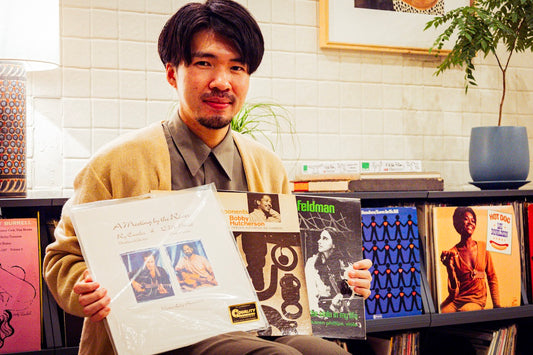
"WHAT'S IN YOUR CART?" is an interview series where we invite record-loving guests to choose '5 Records They Want Right Now' from the ELLA ONLINE STORE lineup.
This time, we welcome Danny Scott Lane from New York. A musician and producer highly regarded by ambient jazz listeners in Japan for his consistently outstanding releases, Danny is also a photographer and actor, making him a truly multifaceted artist. For last year’s AFTER HOURS SESSION, Danny presented Self Portrait of Danny Scott Lane, a vinyl-only showcase mix composed entirely of his own productions. Blending elements of ambient, jazz, funk, new age, and electronic music with remarkable fluidity, his sound drifts effortlessly between genres while maintaining a distinctive atmosphere all its own. How does such a unique and immersive musical world come to life? In this interview, we had the opportunity to explore some of the inspirations and experiences that shape his creative vision.
◼︎Read our previous interview with Danny, including an introduction to his albums.
AFTER HOURS SESSION | Danny Scott Lane - Interview
Danny Scott Lane's “5 Records I Want Right Now”
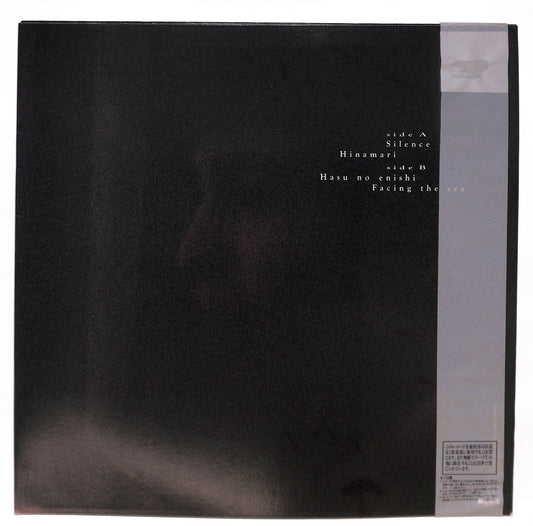
①dip in the pool / dip in the pool(1985)12”/JPN original
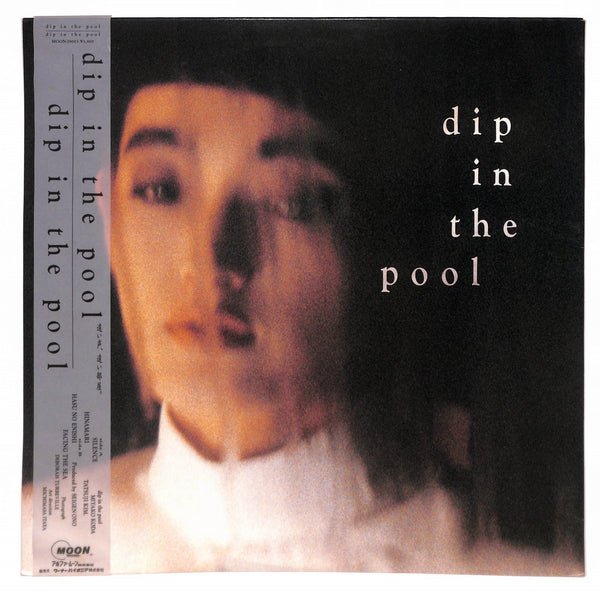
The first record I picked is by dip in the pool. I first discovered them when I came across their 1986 album Silence at a record store and bought it purely because the cover caught my eye. That was my introduction to their music. I love both their EPs and LPs, but my favorite track is probably "Hasu no Enishi," which is included on this EP as well. It's such a minimal, dreamy piece of music. As I recall, both members were quite well known in the fashion world at the time, and they even appeared in films, right? Everything about this record is cool—the artwork, the music, the whole package. It's a real gem.
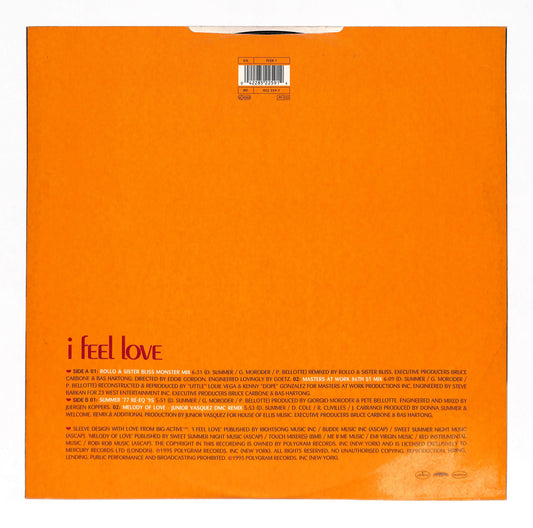
②Donna Summer / I Feel Love(1995)12”/UK original
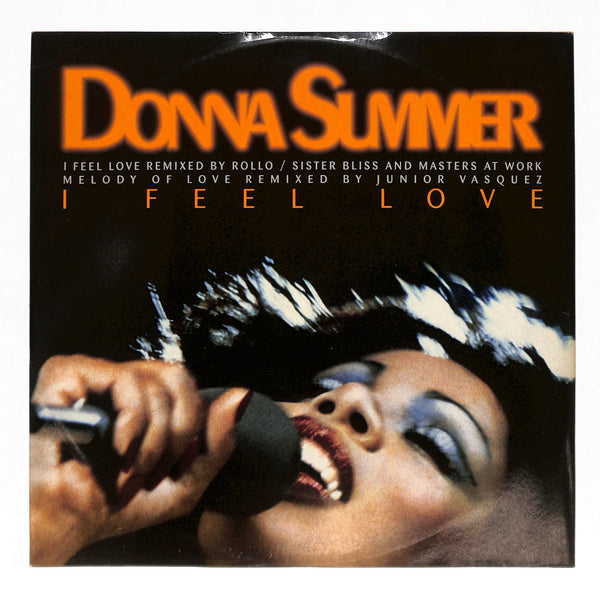
Next up is Donna Summer's "I Feel Love." This track is absolutely mind-blowing. She recorded the vocal in a single take, you know? If you're familiar with the song, you'll understand just how incredible that is. Those sustained notes are unbelievable, and yet she nailed the whole thing in one go. Apparently, Donna Summer was deeply into astrology, and she believed that doing multiple takes could ruin the vibe of a song. As if the universe had decided it needed to be a one-take performance (laughs). What's also fascinating is how minimal the arrangement is. It's basically just a kick drum. The hi-hats are more like bursts of white noise, and even the snare is a Moog synth. It's a completely crazy record. To me, this is one of those songs that changed electronic music forever. You can hear its influence in everything that came afterward. I've never actually heard this remix record, so I'd love to check it out. That said, the original is already perfect as it is.
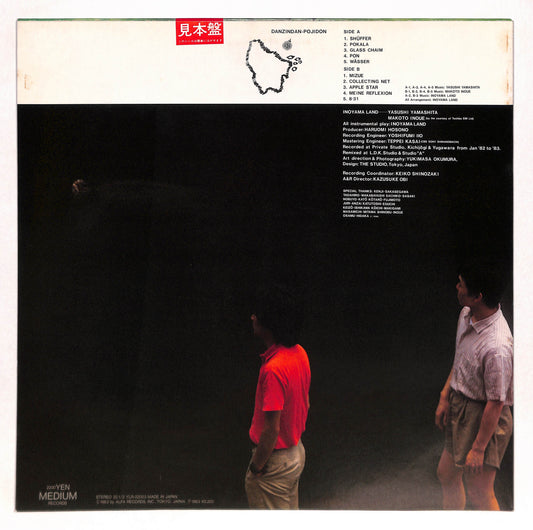
③Inoyamaland / Danzindan-Pojidon(1983)JPN original
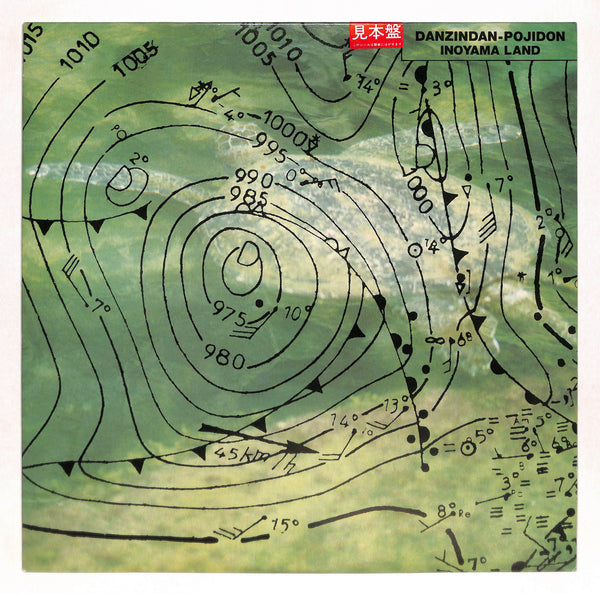
I first discovered this album through its reissue. It was reissued in 2020 by WRWTFWW Records—We Release Whatever The Fuck We Want Records—the Swiss label that also releases my music. It's one of the label's most beloved titles. The album was produced by Haruomi Hosono, who is one of my favorite musicians. It's dreamy, tribal, mysterious, and deeply rhythmic. Honestly, it's so unique that it's hard to describe. I've heard that during the recording sessions, the members invited all the people and things they loved into the studio and recorded with the room full of energy and activity. It's a truly special record.
I think Japanese ambient music had a huge influence on American music as well. What stands out to me about this album is its incredible attention to percussion. There are all these wooden, mallet-like sounds throughout the record, and it shares that same minimal, tribal quality you hear in some of Jon Hassell's work. More than anything, though, it feels distinctly Japanese. There are so many traditional instruments on the album—some of them instruments I've never even heard before. New sounds keep appearing throughout the record, and that's part of what makes it so fascinating.
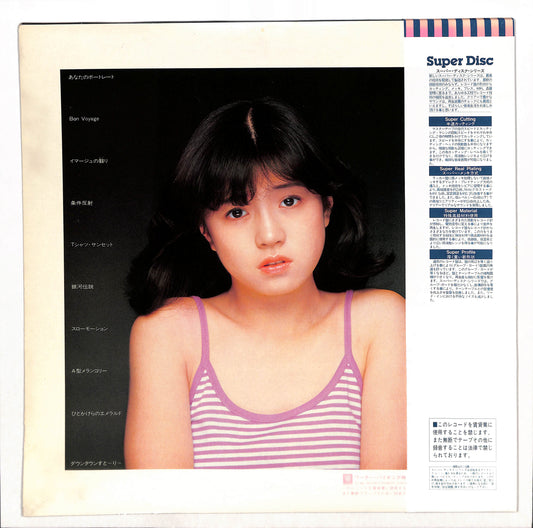
④Akina Nakamori / Prologue(1982)JPN/Super Disc
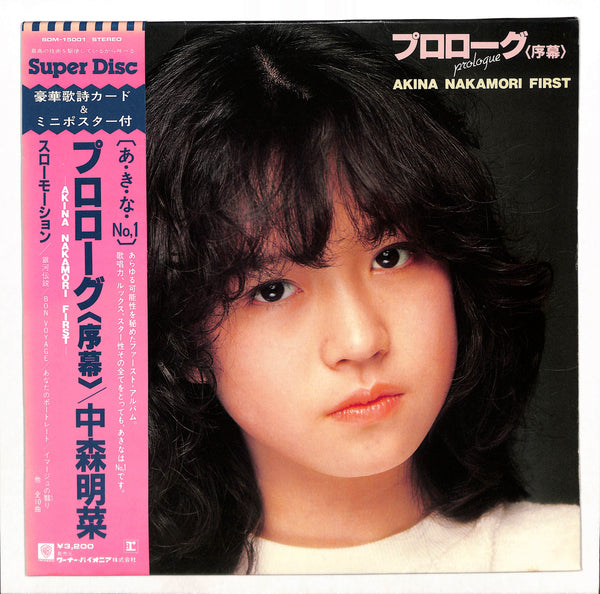
This is one of my favorite Japanese albums, partly because it's tied to one of my all-time favorite record-buying experiences. When I was living in Los Angeles, I visited a kind of thrift store run by military veterans. The place was mostly filled with dusty Elvis Presley records, but then I suddenly came across a stack of about a hundred Japanese LPs. One of the staff members told me, “Someone probably passed away, and these came in as part of an estate collection.” Every record was just one dollar. I ended up buying around thirty records for thirty dollars, and among them were Akina Nakamori's first, second, and third albums.
The music is absolutely beautiful—almost like candy. It's city pop, of course, but you can also hear elements of disco and soul throughout. And Akina herself is such a captivating performer. This is probably my favorite of her albums. It's fantastic from beginning to end. My second favorite would be her third album, Fantasy (Gensoukyoku) from 1983. In a way, I think those early records feel even closer to American disco and soul music. You can really hear those influences running through them.
⑤Lonne / Royal Soul Variety Premiere(1988)US original
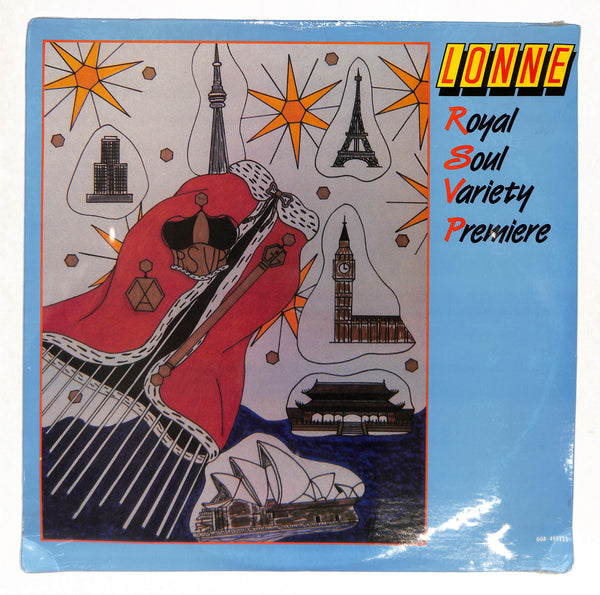
This is probably my second most memorable record-buying story. Back when I lived in Los Angeles, I lived near a famous bookstore called The Last Bookstore. They had a used record section, and I used to stop by every week. One day I came across this album there, but for whatever reason, I didn't buy it. Then I couldn't stop thinking about it. It stayed on my mind so much that I barely slept for three days (laughs). Eventually I rushed back to the store, but I couldn't find it anywhere. I ended up asking every staff member for help, trying to describe it from memory: “It's got a blue cover, there's an illustration on it, and the artist's name starts with an L!” After a frantic search, we finally found it.
This record has had a huge influence on the kind of sound I'm drawn to today. It's this wonderfully off-kilter blend of funk and soul. There's a track on it called “Livin' On A $10 Budget,” and honestly, I think it's a perfect song. It's a pretty unusual record, but I can't recommend it highly enough. Unfortunately, it's not available on streaming services, so you'll have to find it on YouTube. It came out in 1988—the year my brother was born. A good year.
Interview Part 1 : Tracing the Roots of Musician Danny Scott Lane

━━ In the first half of the interview, we'd like to focus on your work as a musician. To start, could you tell us about your new album, House of Alice, which was released earlier this year?
DSL: First, I should mention that I released an album called Wave to Mikey in 2022. It was essentially a love letter to my childhood friend Mikey. This new album was actually made with him.
Mikey and I used to be in a band together. Back then, we played a dance-punk/post-punk style that sounded a bit like Talking Heads or The Clash. We're both originally from Staten Island, New York, and while making the album, we spent a lot of time reminiscing about our hometown. One place that kept coming up in our conversations was the Alice Austen House.* That's actually where the album title comes from. When we were kids, we'd take our guitars there and write songs until three o'clock in the morning. A lot of the memories and creative experiences from that period found their way into this record.
The flute and saxophone parts were performed by David Lackner. Honestly, this album wouldn't exist without Mikey and David. They both did an incredible job.
*The Alice Austen House is the former home of photographer Alice Austen, located on Staten Island. Built around 1690, it is now preserved as a historic house museum.
━━ The new album feels noticeably more rooted in soul and funk than your previous work. Would you agree?
DSL: At first, I thought we were going to make a typical Danny Scott Lane record. But Mikey isn't really into ambient or jazz to the same extent that I am, so he wasn't particularly interested in going in that direction (laughs). The first track we worked on was relatively ambient, but after that, things naturally started moving toward a more groove-oriented sound. That said, while the album definitely leans more toward funk and soul, I still think there's an ambient sensibility running through it. The overall mood is still very relaxed and laid-back.
Actually, I'm already working on the next album. It'll probably be another quirky funk record, somewhat in the same vein as this one. I've already finished recording most of my parts, and all that's left is to track the vocals. For the first time, I even played the drums myself. I'm a terrible drummer, though (laughs). If everything goes according to plan, it should be out in about six months. Realistically, it might take closer to a year—but either way, stay tuned.

━━ You're also a multi-instrumentalist, playing a wide range of instruments on your recordings.
DSL: That's true—I play most of the instruments on my albums. But honestly, I'm not particularly good at any of them (laughs). I can play a lot of instruments, but I'm not a master of any one. Sometimes I wonder if I'm more of an art director than a musician. I'm not the kind of person who can play everything perfectly. What I enjoy is shaping the overall landscape of a song—creating a mood, an atmosphere. That's how I think about it.
━━ So how did you develop your skills as a composer and musician? Did you receive any formal musical training?
DSL: Not at all. To be precise, I studied musical theatre, not music. Acting and singing, basically. Most of my musical education happened in friends' basements (laughs). We were constantly rehearsing with bands. When I was younger, I was always involved in theatre productions, but at some point I got invited to join a band. It was incredibly addictive. We'd spend eight straight hours rehearsing in somebody's basement. That's really how I learned. In the middle of rehearsals, my friend Joe's mom would bring us snacks. We'd eat grilled cheese sandwiches, then go right back to playing terrible indie rock (laughs). That was our life.
━━ When did you first start wanting to make your own music?
DSL: My first band was when I was around fourteen or fifteen. Back then, I was just the singer. Eventually I started wondering, "Maybe I could write songs too?" So I picked up the guitar. The problem was, I was terrible at it. I couldn't perform live very well at all (laughs). Then I had this realization: what about recording? When you're recording, you can stop if you make a mistake. You can try again as many times as you want. I became completely obsessed with the recording process itself. I spent hours every night in my room making music. Then one Christmas, I got a synthesizer as a present. I thought, "Why not give this a try too?" and started experimenting with that as well. Even after I went to college, my enthusiasm for music never faded. That was the first time I realized this wasn't just a passing hobby.

━━ What kind of music did you grow up listening to?
DSL: Emo (laughs). Indie, alternative, emo—that was completely my world. I was listening to bands like Linkin Park and Dashboard Confessional, bleaching just my bangs blond, wearing a choker and wristbands… Looking back, it's pretty embarrassing (laughs).
━━ What first sparked your interest in the kind of music you're making today?
DSL: Moving to Los Angeles around 2016 was a big turning point for me. That's when I started paying attention to the music being played in shops and cafés. Around that time, Ethio-jazz was having a moment, and I was suddenly being exposed to music I'd never heard before. I also became obsessed with Ryuichi Sakamoto. Then I started watching Studio Ghibli films and went down a rabbit hole listening to their soundtracks on YouTube. All of that had a huge impact on me.
━━And that gradually influenced the direction of your own music as well?
DSL: Actually, there was another catalyst. At one point, my brother was having trouble getting his kids to fall asleep. So I thought, "Maybe I should make some music that helps babies sleep." That became my first album, How to Empty a Cup (2019). To be honest, I don't think my brother ever played it for them even once (laughs). But I completely fell in love with the process of making it. That's what pulled me fully into the world of ambient music.
━━ In fact, photography has been a bigger part of your professional life than music, hasn't it? Do you see any connection between music and photography?
DSL: Definitely. I'm a pretty stubborn person when it comes to the way I approach things. Whether I'm making music, taking photographs, or even cutting a friend's hair (laughs), my approach is basically the same. Because of that, the medium itself isn't all that important to me. Whether it's music or photography, the feeling behind it comes from the same place. I think that connection is especially strong in my non-portrait photography—landscapes from my travels, street scenes, that sort of thing. Visually, those photographs feel very closely connected to my music.

━━ What have you been listening to lately? Are there any particular genres you're especially into right now?
DSL: Ambient and experimental music, along with what I'd call wonky funk—slow, slightly off-kilter funk. Those are my two biggest obsessions, and I'm always digging for more.
━━If you could only bring one record to a desert island, what would it be?
DSL: That's a really difficult question (laughs). I'd probably go with Jon Hassell. If I had to choose one album, it would be Earthquake Island (1978), his second record. His debut, Vernal Equinox (1977), is incredible as well, but Earthquake Island is the one I keep coming back to. Every time I listen to it, I discover something new. It has such a unique atmosphere and world of its own.
DSL: Jon Hassell is a truly special artist to me. His music is jazz, it's ambient, it's world music—and at the same time, it's none of those things. What I love most is the way he creates places that don't actually exist. You can't quite tell what country you're in, or even what era you're in. And yet there's a very real sense of landscape and place. His music has that kind of power. He's been a huge source of inspiration for me as a musician.
━━ Are there any other artists or albums that hold a special place in your heart?
DSL: If we're talking all-time favorites, I'd have to say Radiohead's Kid A (2000), Daft Punk's Discovery (2001), and Air's Moon Safari (1998). Those are three records I could never live without. I also absolutely love Prefab Sprout. And then there's Ryuichi Sakamoto. His music is like a place I can always return to. No matter how much time passes, I keep coming back to it. I still listen to his work all the time.
Interview Part 2 : Danny Scott Lane and Record

━━ In the second half of the interview, we'd like to talk about your relationship with records. To start, how did you first get into collecting vinyl?
DSL: There was a record store near my high school. Back then, I listened to everything on CD, but one day after school I stopped by the shop and found a 12-inch copy of Daft Punk's "Harder, Better, Faster, Stronger." It even had a Neptunes remix on it. The funny thing is, I didn't even own a turntable at the time. But I bought it anyway. I also picked up Radiohead's Kid A—the two-disc 10-inch edition. I still have it sealed to this day (laughs). Back then, it wasn't really about listening to records. I just wanted to own them. Years later, I started using my dad's turntable, and that's when I really fell down the rabbit hole. At first I'd buy maybe five records a year. Then ten. Then fifteen. Then twenty… Now I'm completely addicted (laughs).
━━ What was it about records that drew you in so deeply?
DSL: This might sound like a cliché, but I genuinely love the way they sound. There's also something participatory about vinyl. You put the record on the turntable, and when side A ends, you flip it over. It's not just pressing a button and letting the music play. You're actively involved in the listening experience. In that sense, I think vinyl is probably the format that comes closest to seeing live music.

━━ How often do you visit record stores these days?
DSL: Once or twice a week, usually. At the very least, once a week. I'll spend a couple of hours just digging through the bins. The problem is that in New York, I often end up passing record stores on my way home from photo shoots or other jobs, so I can't help stopping in. I think every record collector knows the feeling (laughs).
━━I imagine there are plenty of record stores in New York.
DSL: There are. Pretty much every neighborhood has at least one. That said, when it comes to the record store scene, I actually think Los Angeles has a slight edge. New York doesn't really have large chain stores like Amoeba Music or Disk Union. Most shops are relatively small, which means the number of stores carrying exactly the kind of music I'm looking for is a bit more limited. Of course, there are still some great shops. There are a few I really like in Greenpoint and the Lower East Side, and there are even some interesting stores back on Staten Island, where I grew up.
━━So when you go to a record store, is it less about hunting for a specific title and more about enjoying the process of digging?
DSL: Exactly. Sure, sometimes I'll hear that someone has a new release out and go check for it. But generally speaking, I don't like doing too much research beforehand. I love walking into a record store, picking up an album I've never seen before, taking it home, and dropping the needle. I love that moment of surprise. Even now, discovery is still at the center of how I experience music. Most of the records I own found their way into my collection through those kinds of unexpected encounters.

━━Do you spend a lot of time listening to records at home?
DSL: Absolutely. The first thing I do when I wake up is put on a record. Then I'll make coffee or put together a sandwich while it's playing. If friends come over, there'll be records spinning all night. At this point, listening to vinyl is completely woven into my daily routine. Whether I'm in Tokyo, Paris, or anywhere else, I'm always looking for records. For me, records are what connect music to the wider world.
━━What kind of records do you usually play in the morning?
DSL: Mostly ambient music. Recently, I created a "New Arrivals" section in my record collection, and within that I even have a small subsection specifically for mornings. That's usually where I pick something from.
━━Since we're talking about your shelves, how do you organize your collection?
DSL: I'm pretty meticulous about it. Everything is organized by genre, and then alphabetized within each section. The main categories are Jazz, Funk, Soul, Ambient, Electronic, Rock, Soundtracks, Japanese, and Europe. I also have sections organized by label—Music From Memory, Stones Throw, ECM, WRWTFWW, and so on. And then there's a "Favorites" section for whatever records I'm especially into at the moment. That one changes all the time. Friends who come over often tell me it feels like having a record store inside my house (laughs)

━━Roughly how many records do you own now?
DSL: Right around a thousand. I'm generally not the type to sell records, so for most of my life I've only been buying. Recently I've started letting a few things go, though. Honestly, I should probably downsize a bit more. My wife would certainly appreciate that (laughs).
━━Do you care about owning original pressings?
DSL: Definitely. If I can get an original pressing, that's what I'll buy. The only time I usually buy a reissue is when the original is too difficult to find. I have a friend named Max who only buys original pressings, and I think that mindset rubbed off on me (laughs). At this point, I'd say about ninety percent of my collection consists of originals.
━━What's currently at the top of your vinyl wantlist?
DSL: Like I mentioned earlier, I prefer discovering records by chance rather than actively hunting them down, so I only have about five records on my Discogs wantlist. With that in mind, here are a few that come to mind right now.
①Gina X Performance - Nice Mover (1978) German original pressing
I just love the attitude on this album. Her “performance” is so unique and strong. I love Zeus B Held’s production style a lot too, it’s so raw.
②Talking Heads - Remain In Light (1980) US original pressing in good condition
This one should be easy enough to find, but the copy I own is pretty beat up, so I'd love to replace it with a cleaner one. Talking Heads is one of those bands that completely changed my thinking, but now I don’t listen to them at all. I don’t want to either, but something about having Remain In Light in my collection feels important. That’s my favorite one, I was so obsessed with that album when I first heard it. If anything would get me to listen to Talking Heads, it’s that one.
③Any LP by Sayonara Ponytail
I discovered them completely by accident through Spotify's recommendations and instantly fell in love with their music. They're a Japanese group that releases records but never performs live, which is how I do it. It's difficult to find their records in the United States, so I'm hoping I might come across one while I'm in Japan although I bet the albums I like are only on CD. Anyway - it’s cute and complex music.
━━What are your thoughts on Japanese record stores and record culture?
DSL: It's incredible. First of all, the condition of the records is unbelievable. But I guess that shouldn't be surprising—everything in Japan is immaculate (laughs). I've been here for ten days on this trip, and I've probably been to Disk Union five times already. I still can't believe that every time I walk in, there are new arrivals waiting to be discovered. I've also spent time at a few record bars. What really impresses me is the level of passion people have for record culture here. We simply don't have anything quite like it in New York.
━━What makes a “good record shop” for you?
DSL: First of all, I like stores that carry a wide variety of genres. Of course, I also appreciate shops that specialize in a particular style of music—places where people say, "If you're into folk, this is the spot," or "If you're looking for jazz, go here." Those stores are great too. But personally, I tend to prefer record stores that cover a little bit of everything. Organization is important as well. I like stores where the records are properly categorized and easy to browse. And then there's something else. I won't name any names (laughs), but we've all been to record stores where the owner or staff are just kind of rude. There's this unfriendly, almost hostile atmosphere. I really don't like that. If the people working there are rude or make me feel unwelcome, I probably won't go back. For me, digging for records is one of life's great pleasures. It's a genuinely joyful experience. That's why the atmosphere of a record store matters so much. In the end, it all comes down to the vibe. Whether a place has good vibes or not—that's really what makes the difference.
Interview & text: Mikiya Tanaka (ELLA RECORDS)
Photo: Shinnosuke Chiba (ELLA RECORDS)
Interview location: ELLA RECORDS VINTAGE
Furniture design & production, Interior coordination: "In a Station"
Special thanks to: Satoshi Atsuta